Remote Work Trends Reshape Canadian Office Space Demand
Analysis of how hybrid working models are reshaping commercial property decisions across Toronto, Vancouver, Montreal, and Calgary as Canadian employers settle into permanent flexible arrangements.
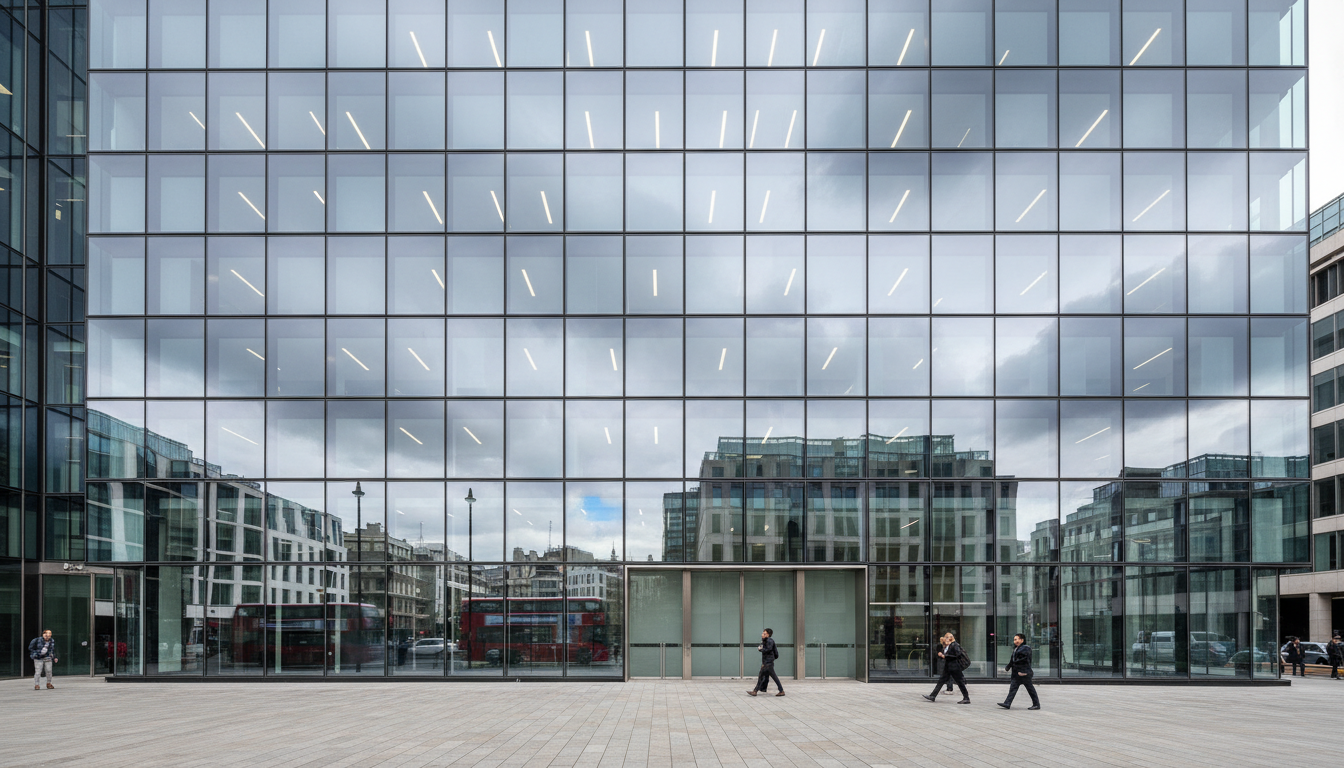
The evolution of workplace practices is continuing to reshape Canada's commercial real estate landscape, as organisations across the country settle into hybrid working arrangements that now look permanent rather than transitional. What began as a crisis response has become a structural shift — one that is forcing landlords, developers, and city planners to rethink their assumptions about how office space functions.
Surveys of Canadian employers consistently show that the majority have adopted flexible working as a standing policy. The effect on office space is not simply a reduction in square footage leased — it is a fundamental rethinking of what an office is for, with a shift away from rows of assigned workstations toward spaces designed for collaboration, client engagement, and team culture.
In Toronto's Financial District and downtown core, vacancy rates have remained elevated compared to pre-pandemic levels, but premium office buildings with modern fitouts continue to attract tenants willing to pay for quality. The flight-to-quality trend is particularly pronounced among professional services firms in the legal, financial, and technology sectors, several of which have consolidated from multiple floors to a single well-designed space.
Developers and landlords across Vancouver, Montreal, and Calgary are responding with shorter lease terms, increased tenant incentives, and the conversion of older B- and C-class stock into co-working and mixed-use spaces. The serviced office sector has benefited considerably, with demand from both solo operators and larger companies looking for flexible overflow capacity or satellite locations closer to where their employees actually live.
Analysts see the shift as long-term, with flow-on consequences for transit ridership, inner-city retail, and the appeal of mid-size cities and bedroom communities as places to live and work. Towns within driving distance of major centres — or simply reachable by reliable broadband — are reporting increased population interest and rising residential property demand.